

CONVEYOR BELTS – THE CORE OF MODERN CONVEYING SYSTEMS
The key role of conveyor belts in industrial processes
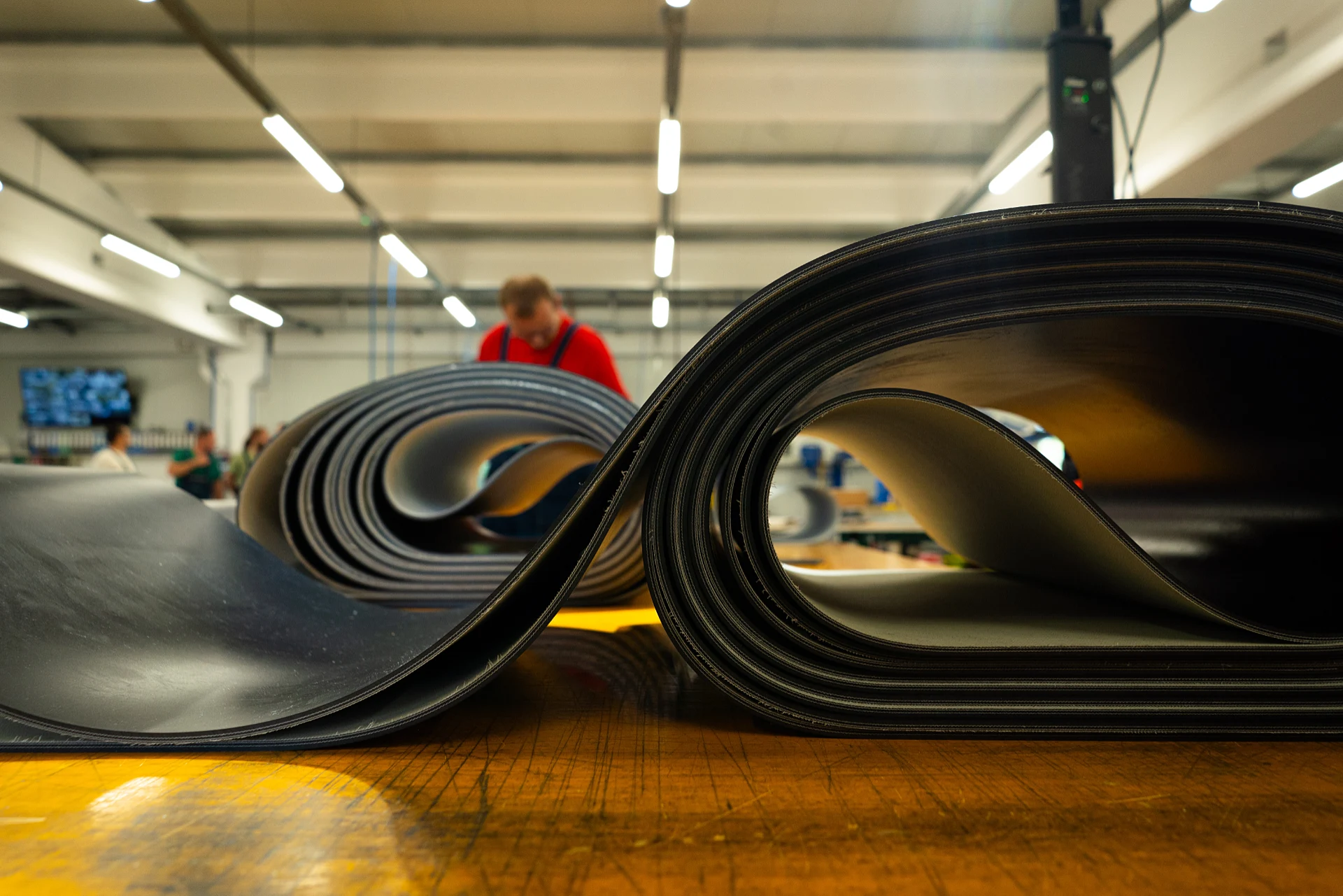
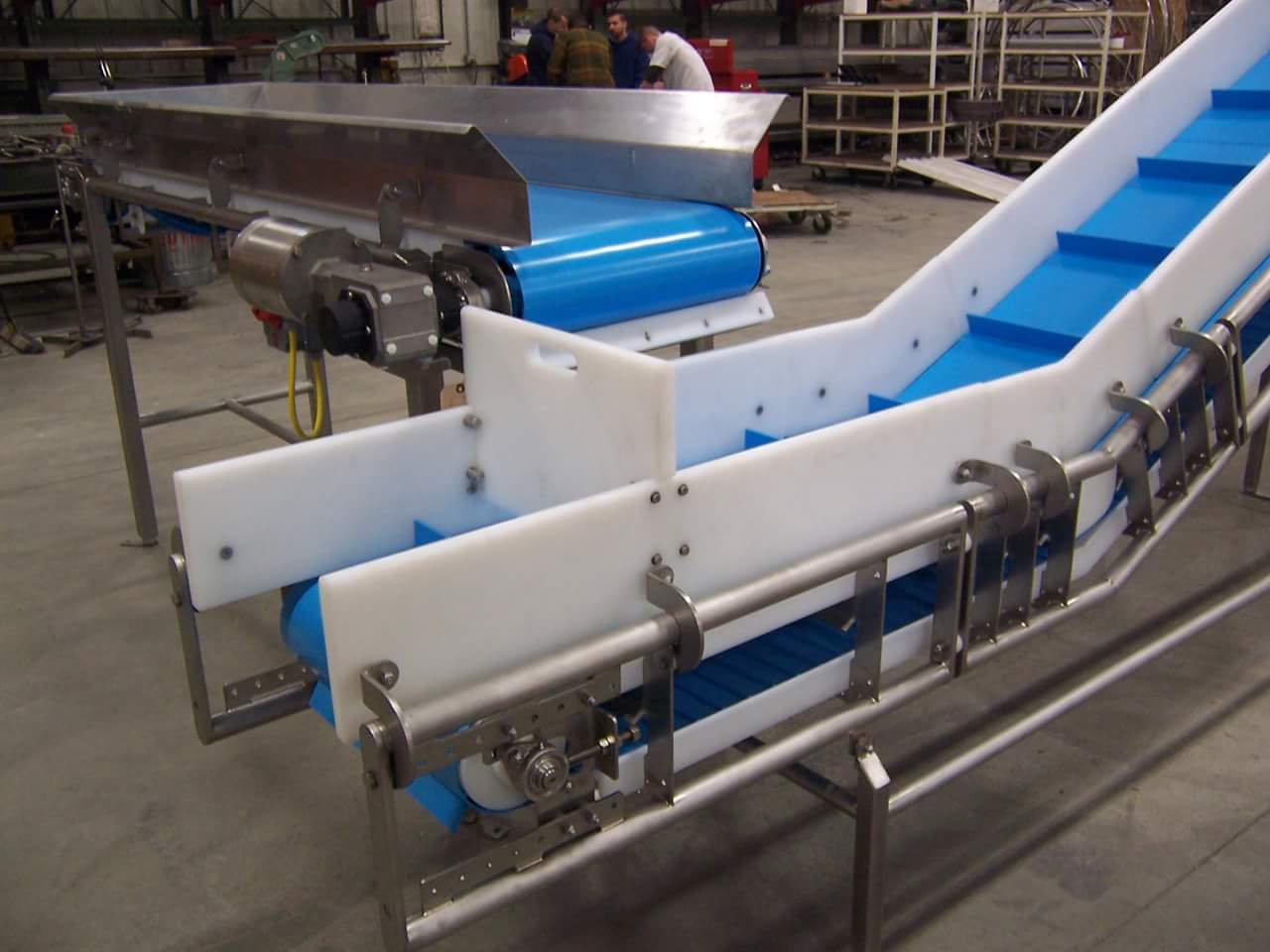
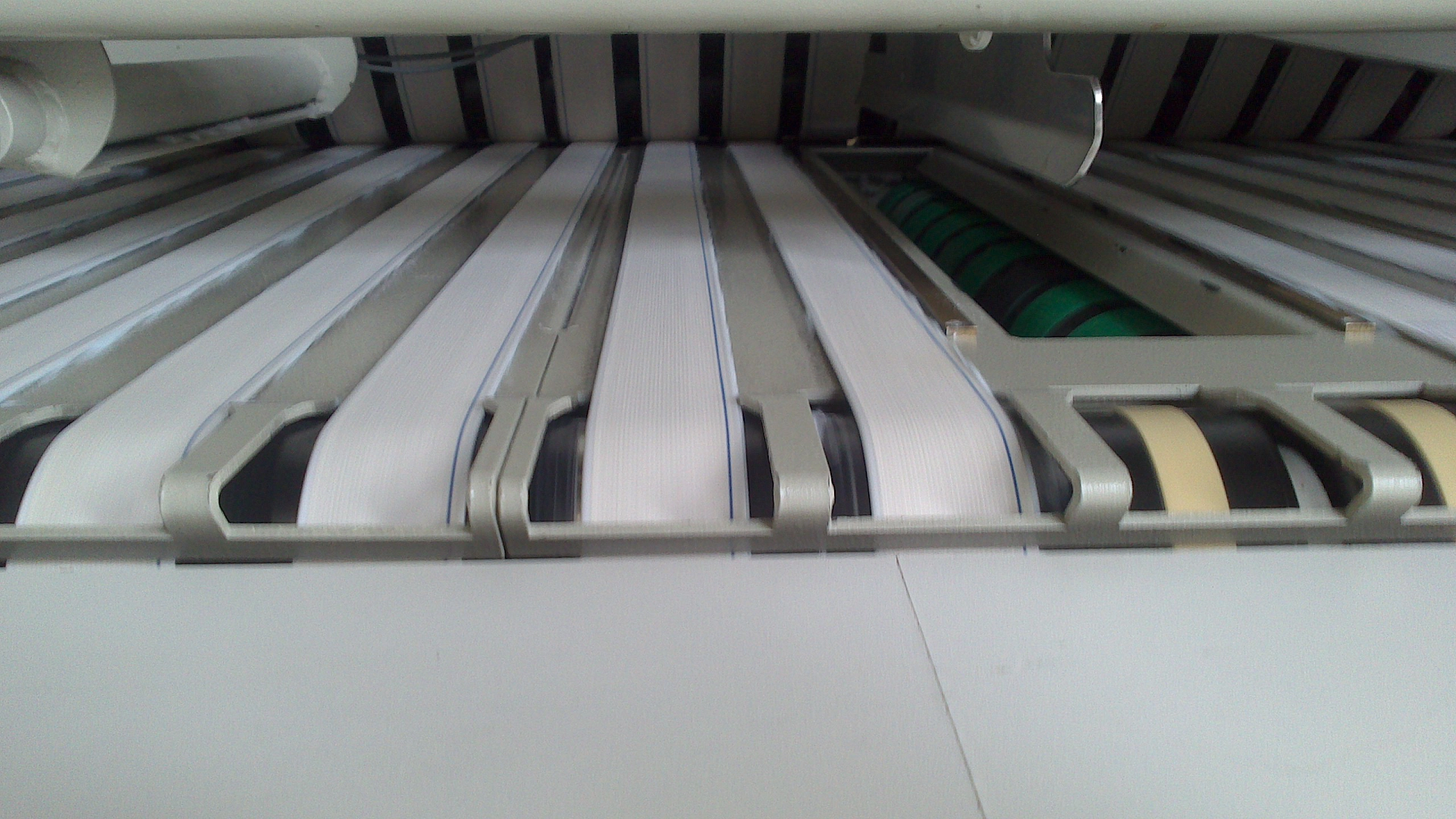
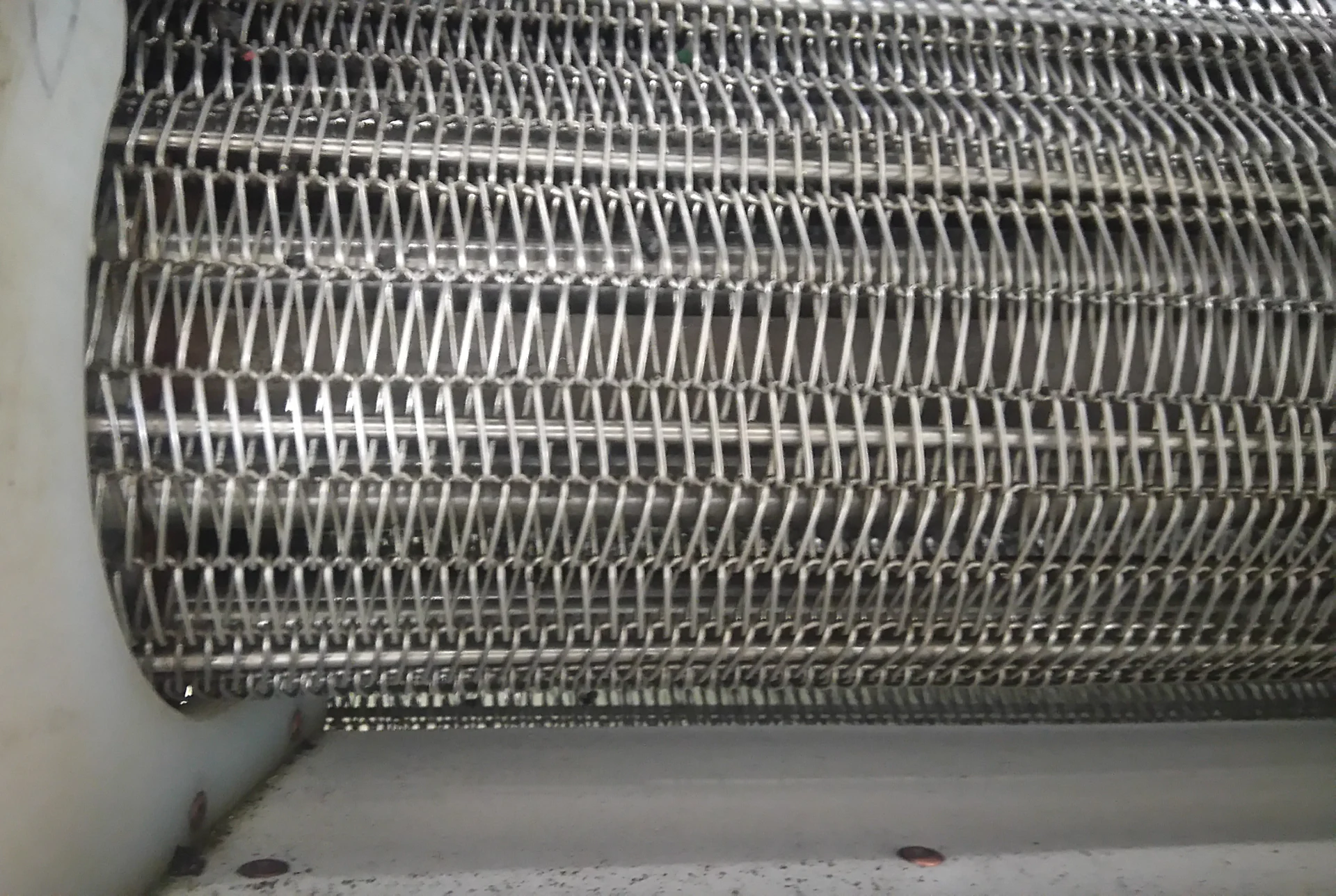
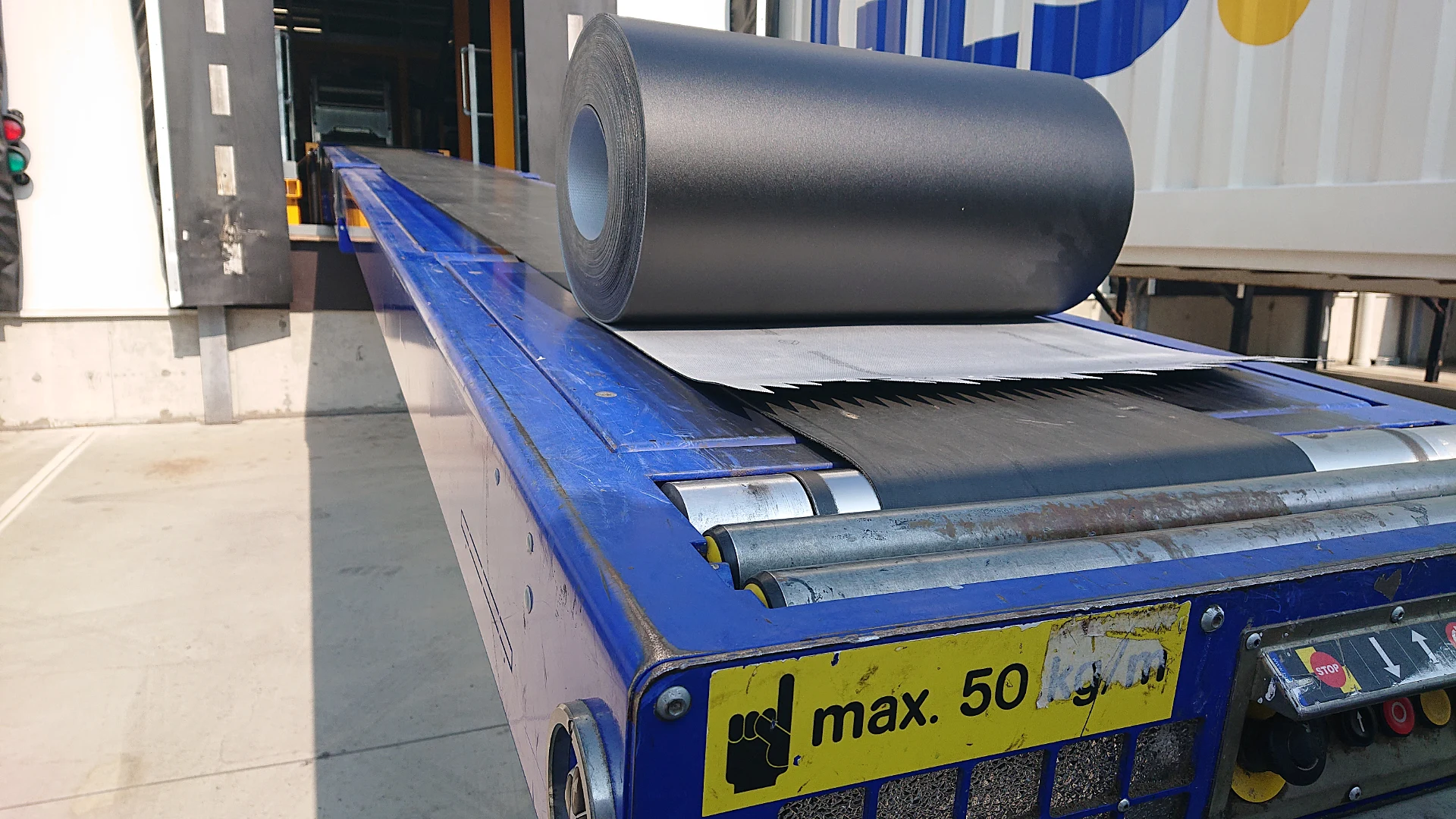
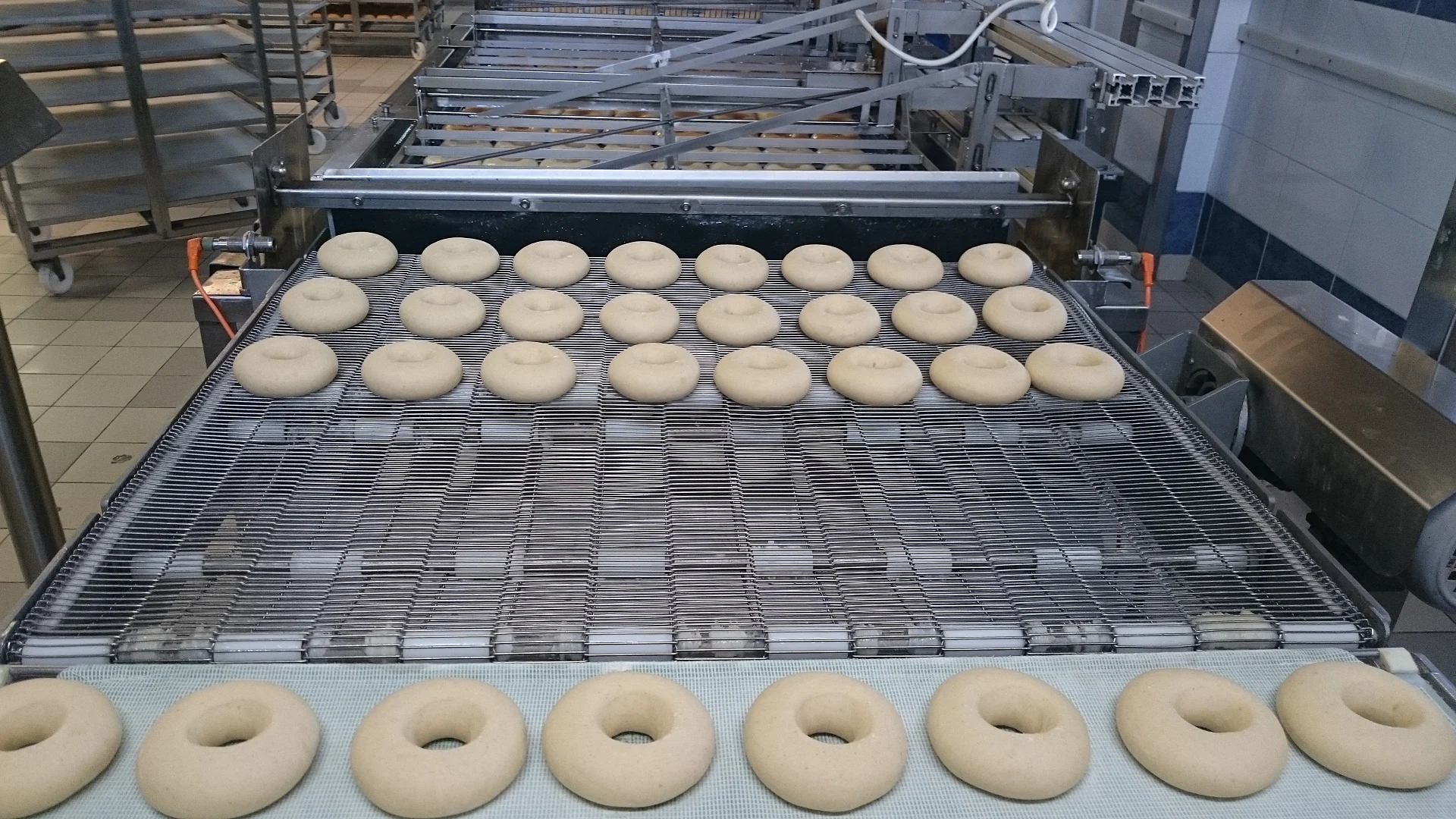
Conveyor belts represent the most critical component of conveying systems in modern industry. They are used to transport materials between production processes, in combination with various transport and machinery equipment. Despite their crucial role, they are often underappreciated because they operate reliably with minimal maintenance and routine checks.
Historical development and modern application
With the advent of electrical energy and electric motors, conveyor belts became indispensable in:
Materials for manufacturing conveyor belts
Today’s conveyor belts are manufactured from high-quality materials, including:
The choice of material depends on:
Advantages of modern conveyor belts
For general purpose:
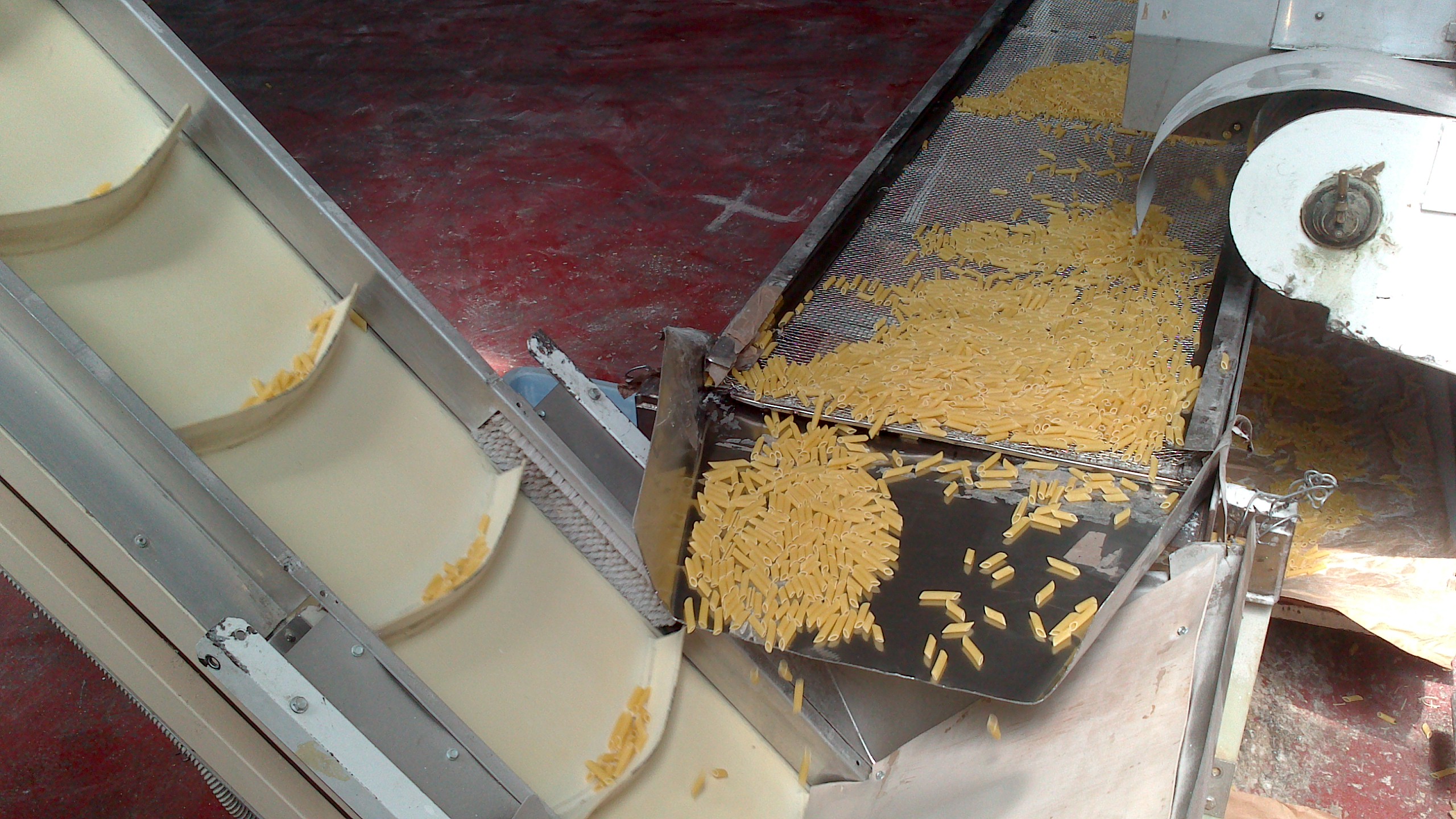
For the food industry:
SPECIAL BELT CONSTRUCTIONS
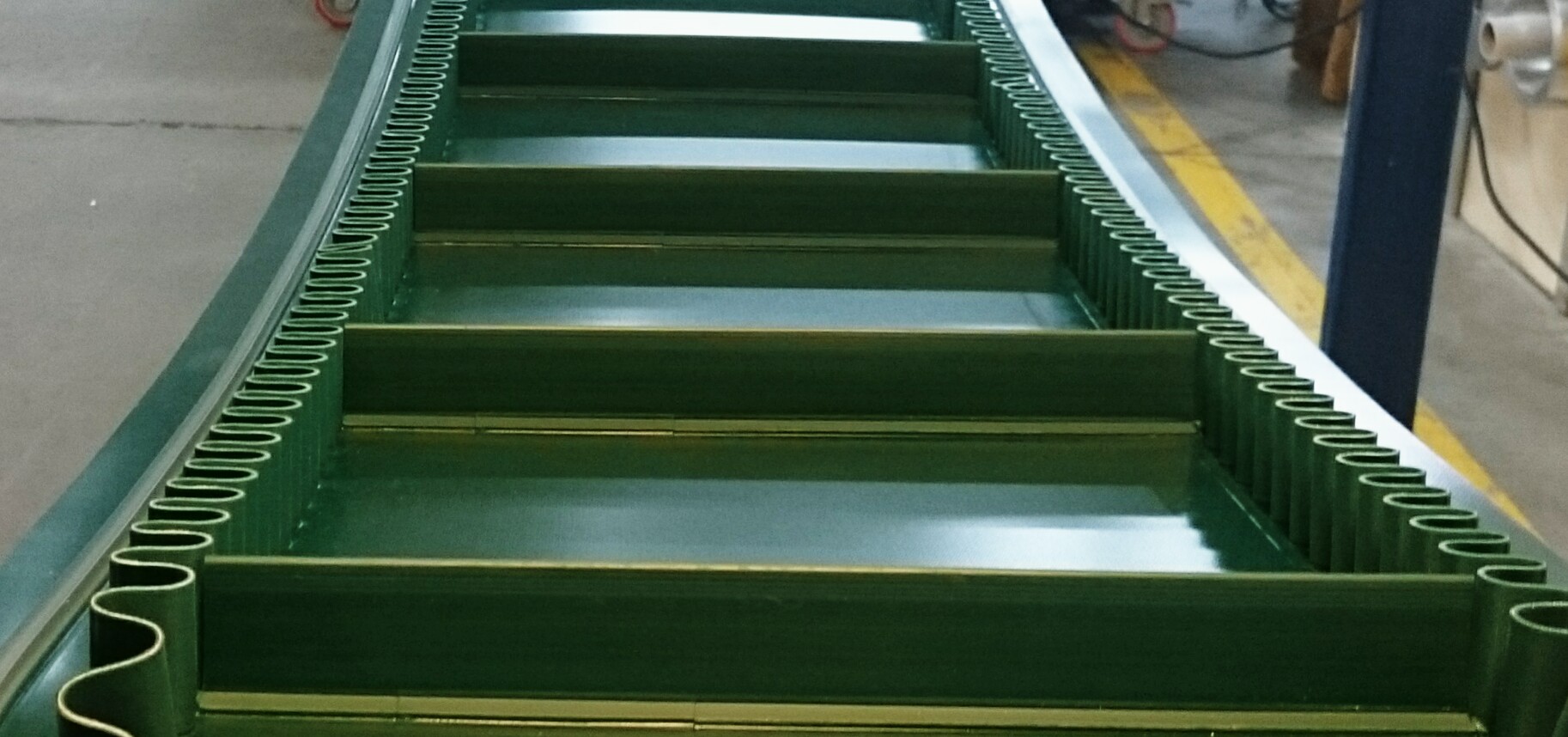
Belts with longitudinal, transverse, or corrugated Profiles (custom-made to order)
HOT SPLICING OF CONVEYOR BELTS
FINGER SPLICE
FOLD-BACK FINGER SPLICE
STEP SPLICE
MECHANICAL SPLICING OF CONVEYOR BELTS
PROPERTIES OF MECHANICAL SPLICING
TYPES OF MECHANICAL FASTENERS
FACTORS FOR FASTENER SELECTION
INSTALLATION PROCESS
 QUESTIONNAIRE