

Over 200 types of belts immediately available from stock

CONVEYOR BELTS – THE CORE OF MODERN CONVEYING SYSTEMS
The key role of conveyor belts in industrial processes
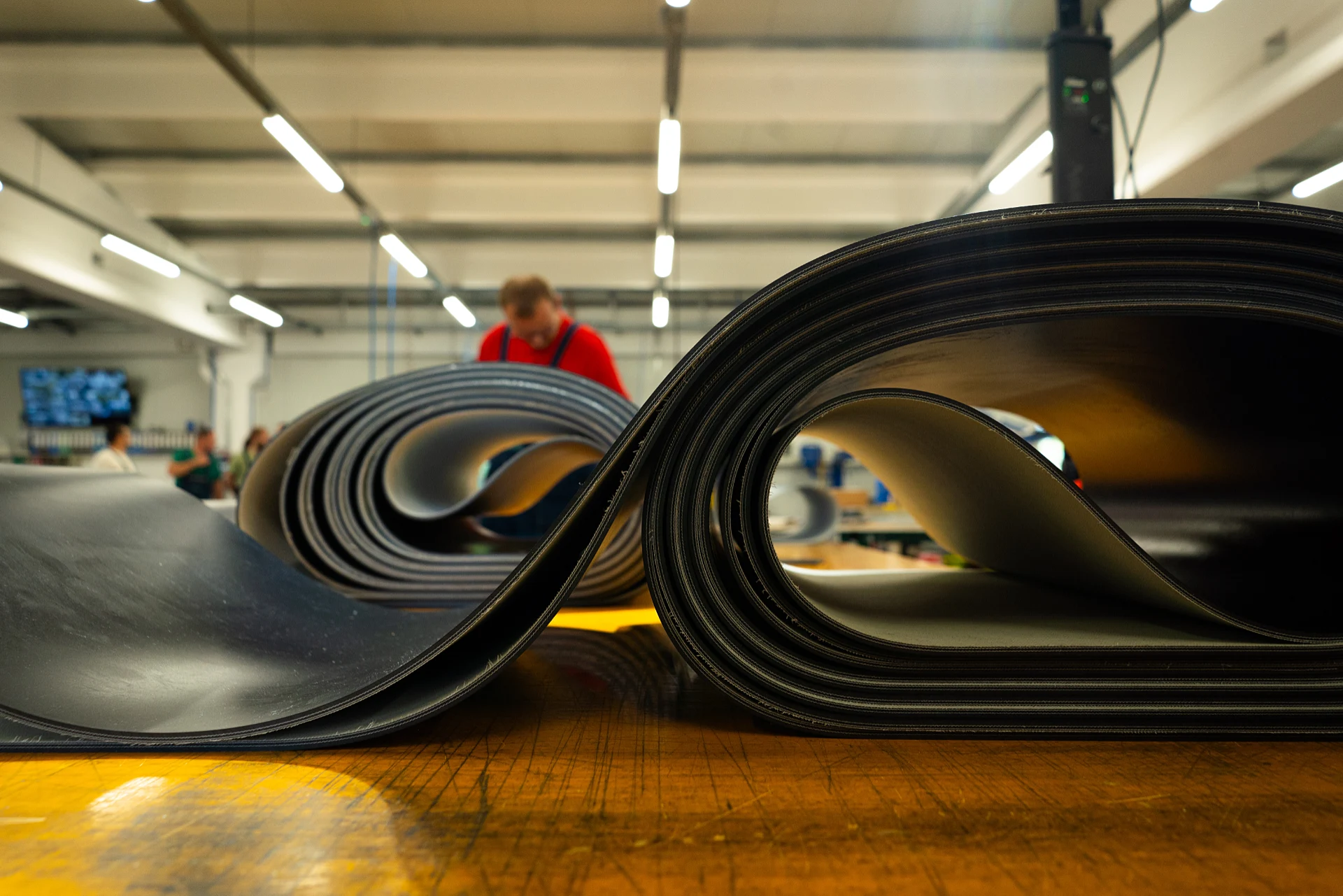
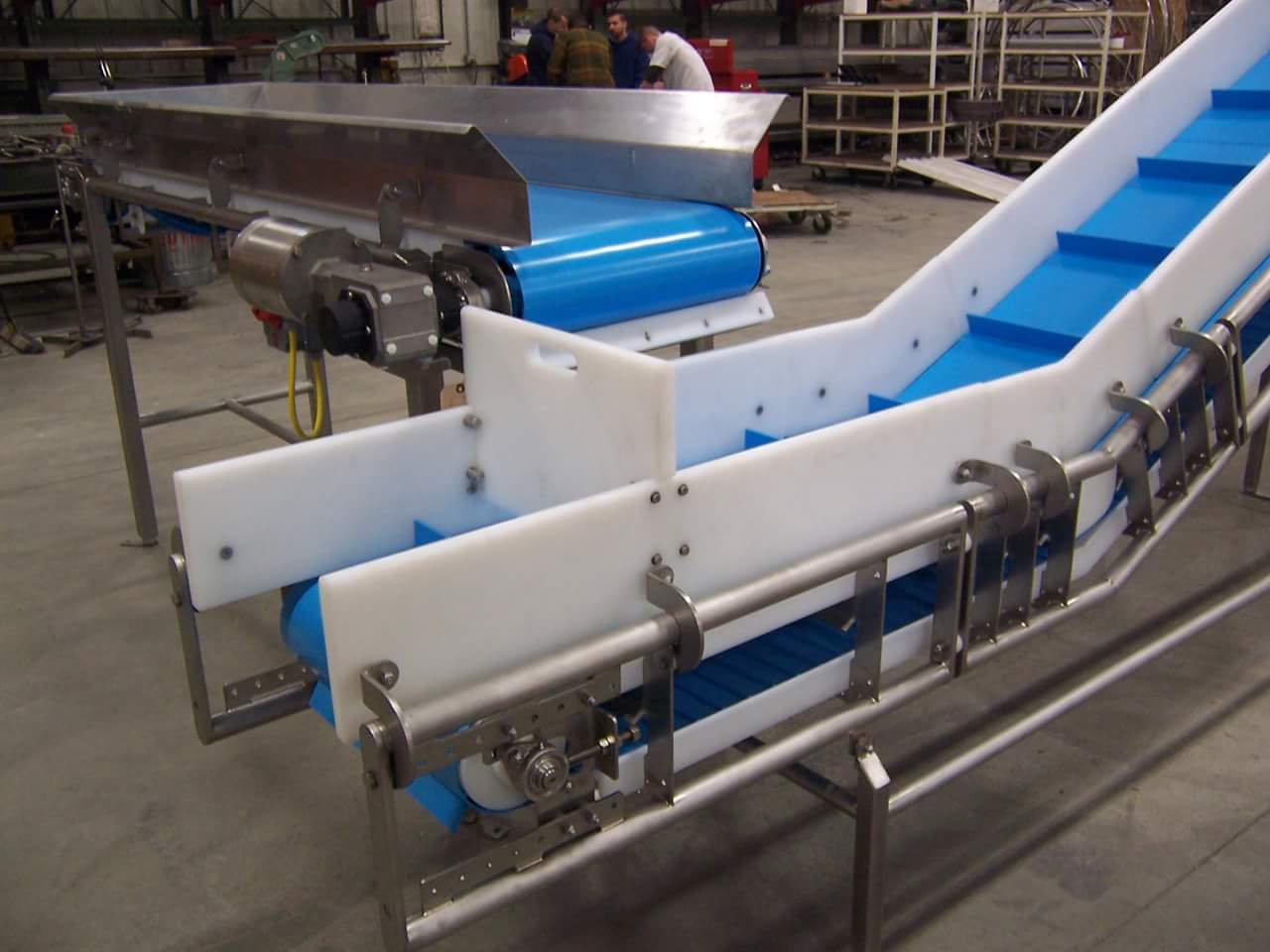
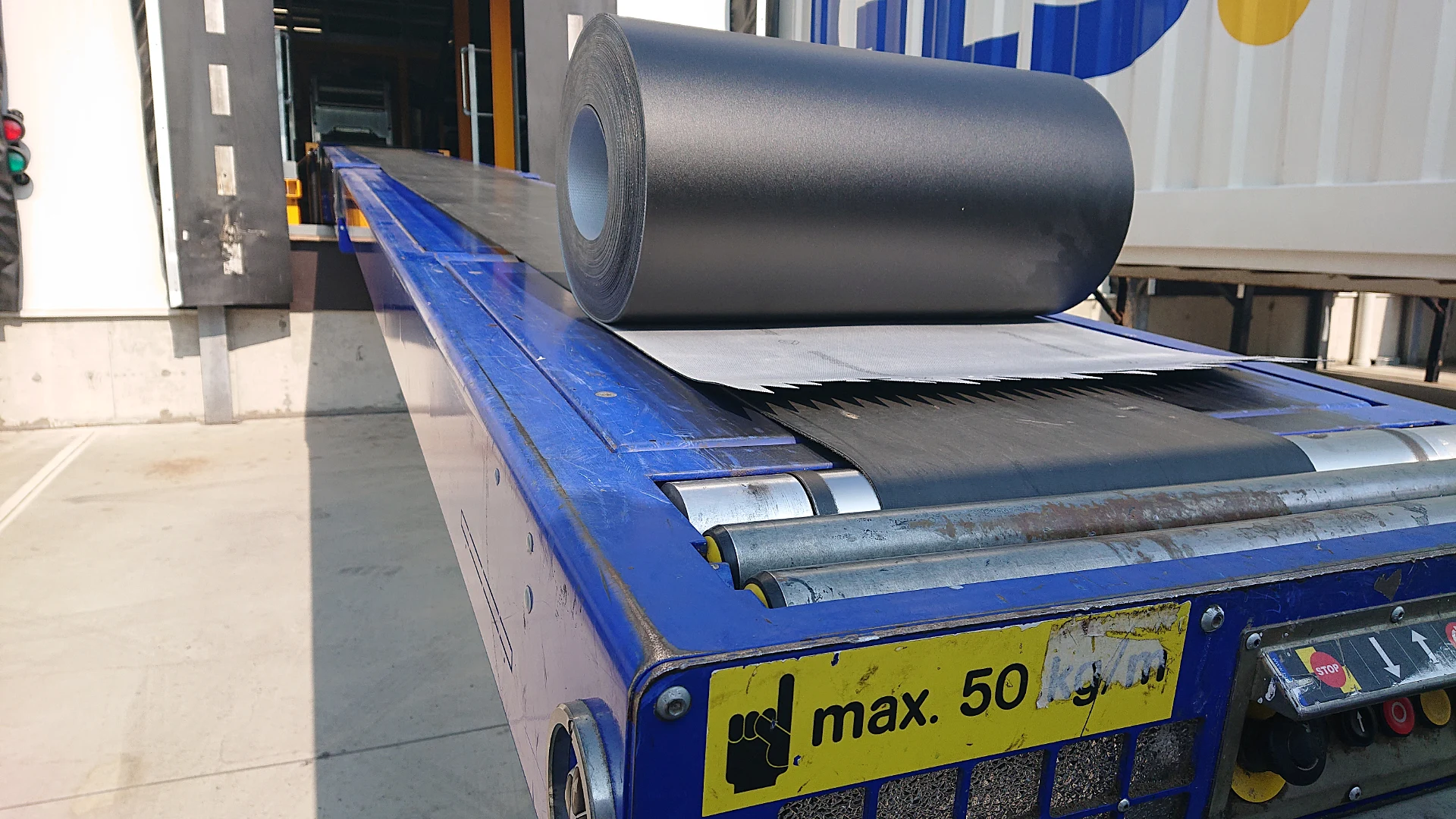
Conveyor belts represent the most critical component of conveying systems in modern industry. They are used to transport materials between production processes, in combination with various transport and machinery equipment. Despite their crucial role, they are often underappreciated because they operate reliably with minimal maintenance and routine checks.

Historical development and modern application
With the advent of electrical energy and electric motors, conveyor belts became indispensable in:

  • Mass production (factories, warehouses)
  • Distribution centers and logistics
  • Retail stores and postal services
  • Airports (transport of passengers and luggage)
  • Numerous other industrial applications

Materials for manufacturing conveyor belts
Today’s conveyor belts are manufactured from high-quality materials, including:

  • PVC and PU (polyurethane) – for general use
  • PES (polyester) and PE (polyethylene) – for durability
  • Rubber, silicone, cotton – for specific purposes
  • Leather and technical fabrics – for special operating conditions


The choice of material depends on:

  • The type of cargo being transported
  • Operating conditions (temperature, chemical resistance)
  • Friction and grip requirements


Advantages of modern conveyor belts

  • Low energy consumption relative to the cargo mass
  • Quiet and stable operation
  • Long service life with minimal maintenance
  • Adaptability to various industrial needs
  • Continuous improvement in design

Questionnaire for selecting the optimal belt and belt measurement tolerances

Download Icon     QUESTIONNAIRE

Conveyor belts for industrial applications

For general purpose:

  • Wood Industry
  • Agriculture
  • Distribution centers, postal services, airports
  • Printing and cardboard processing
  • Textile industry
  • Mechanical engineering
  • Waste recycling belts
  • Belts for production of building materials, brickworks, cement plants, insulation materials
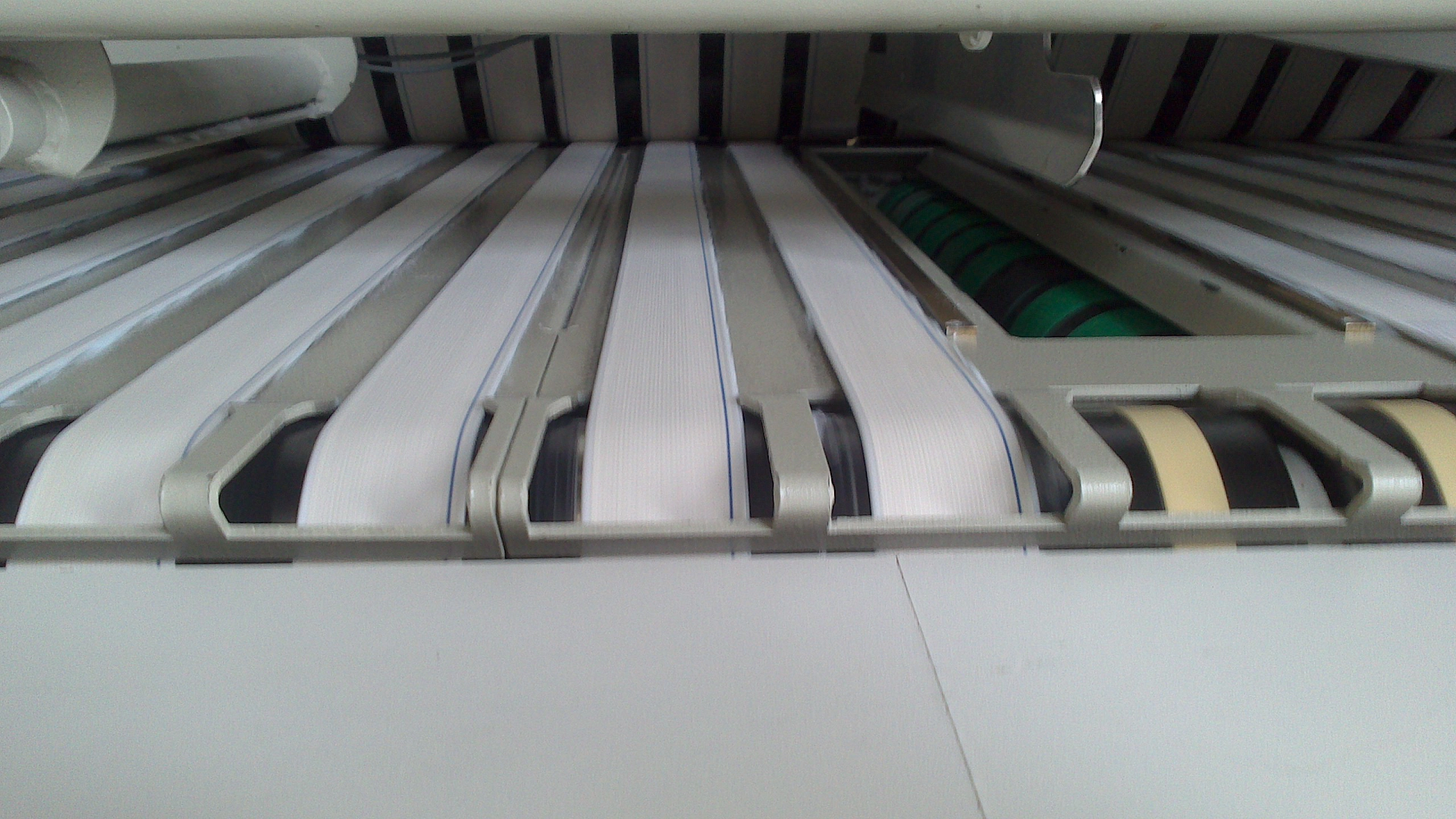
  • Laundry belts
  • Belts for baling presses

For the food industry:

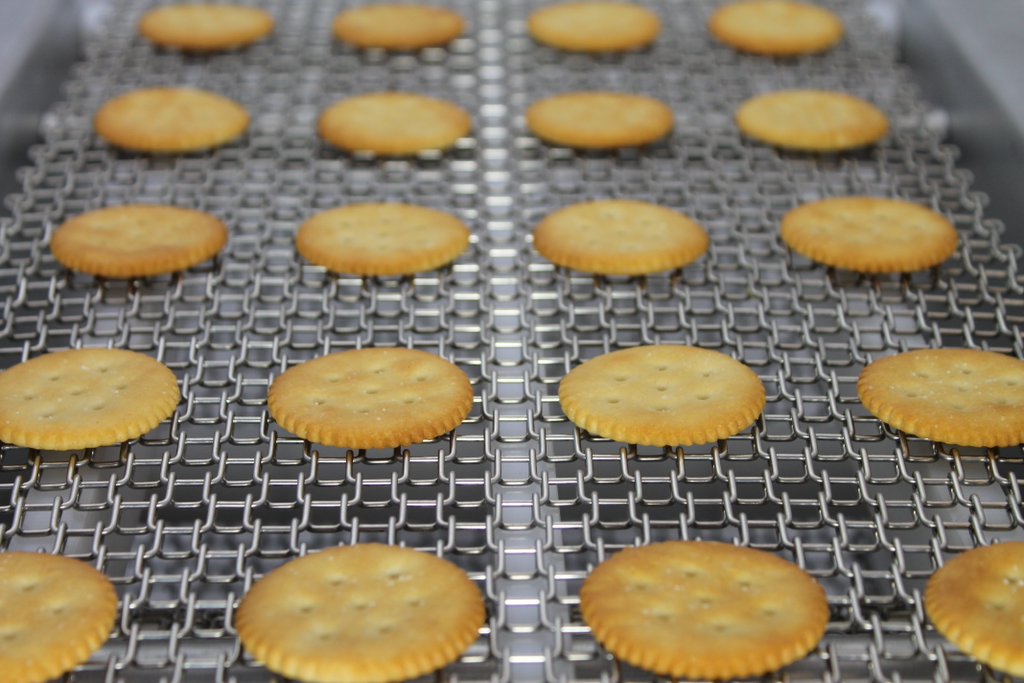
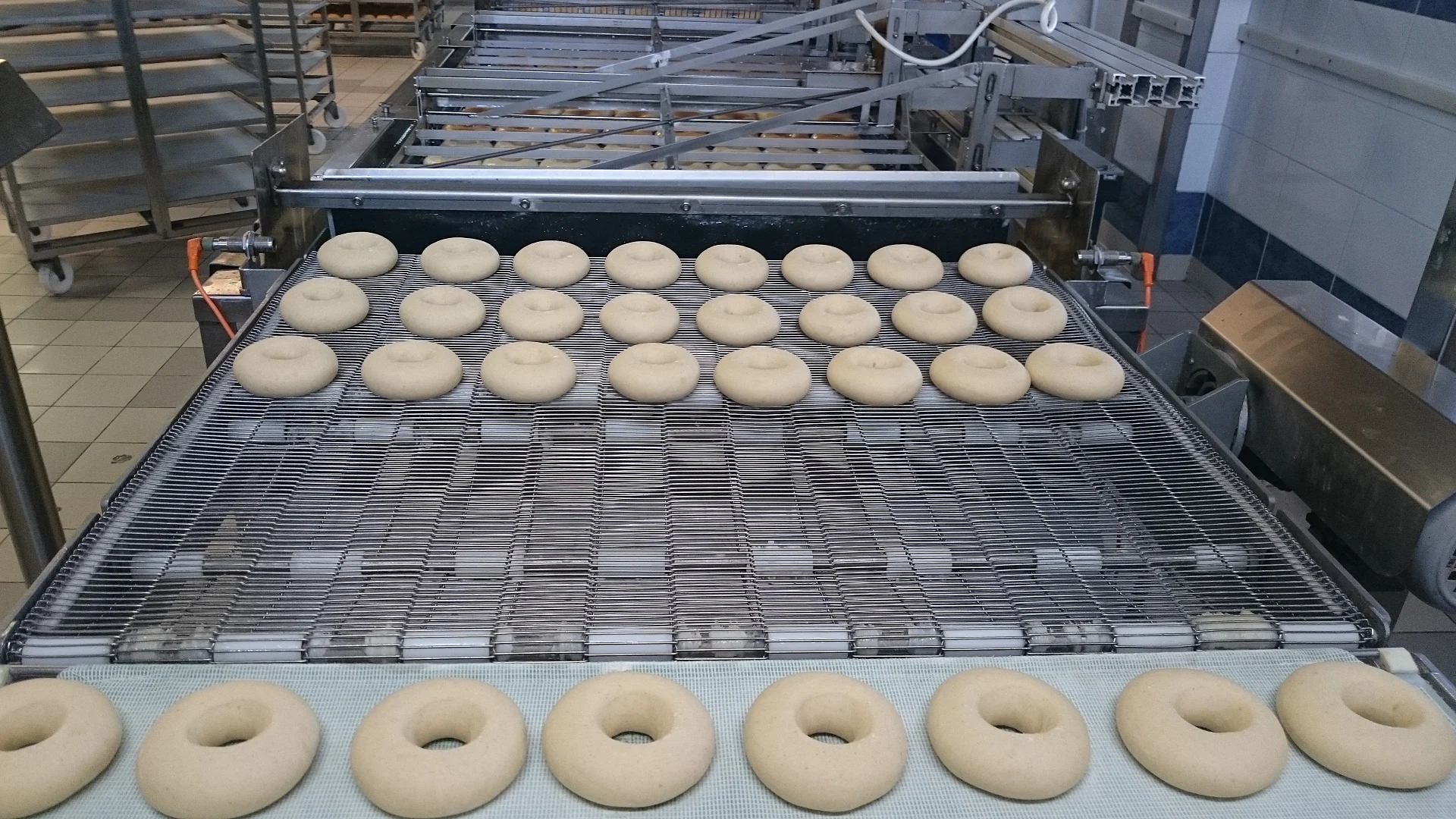
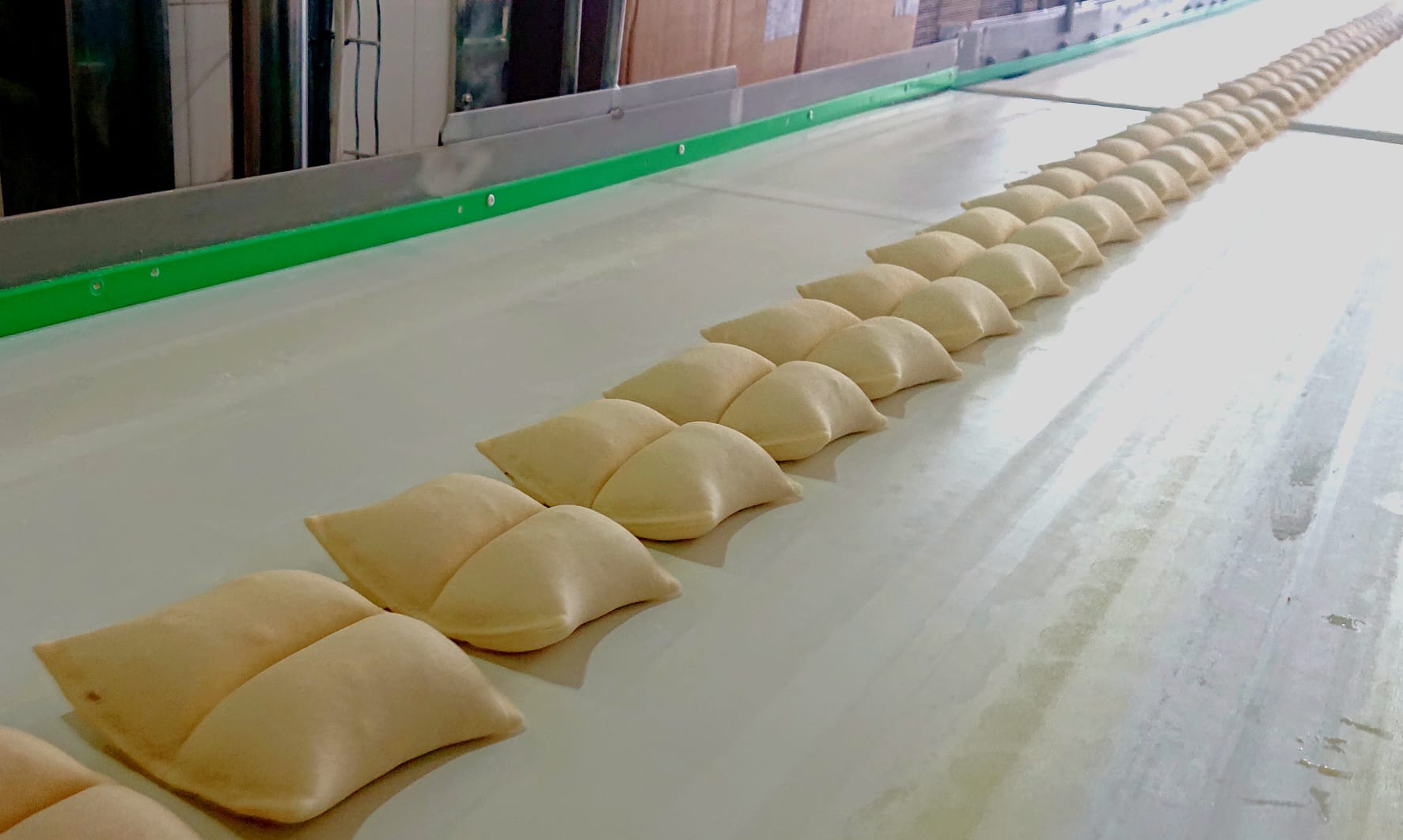
  • Bakery belts
  • Confectionery and chocolate factory belts
  • Belts for sugar factories and saltworks; belts and accessories for elevators
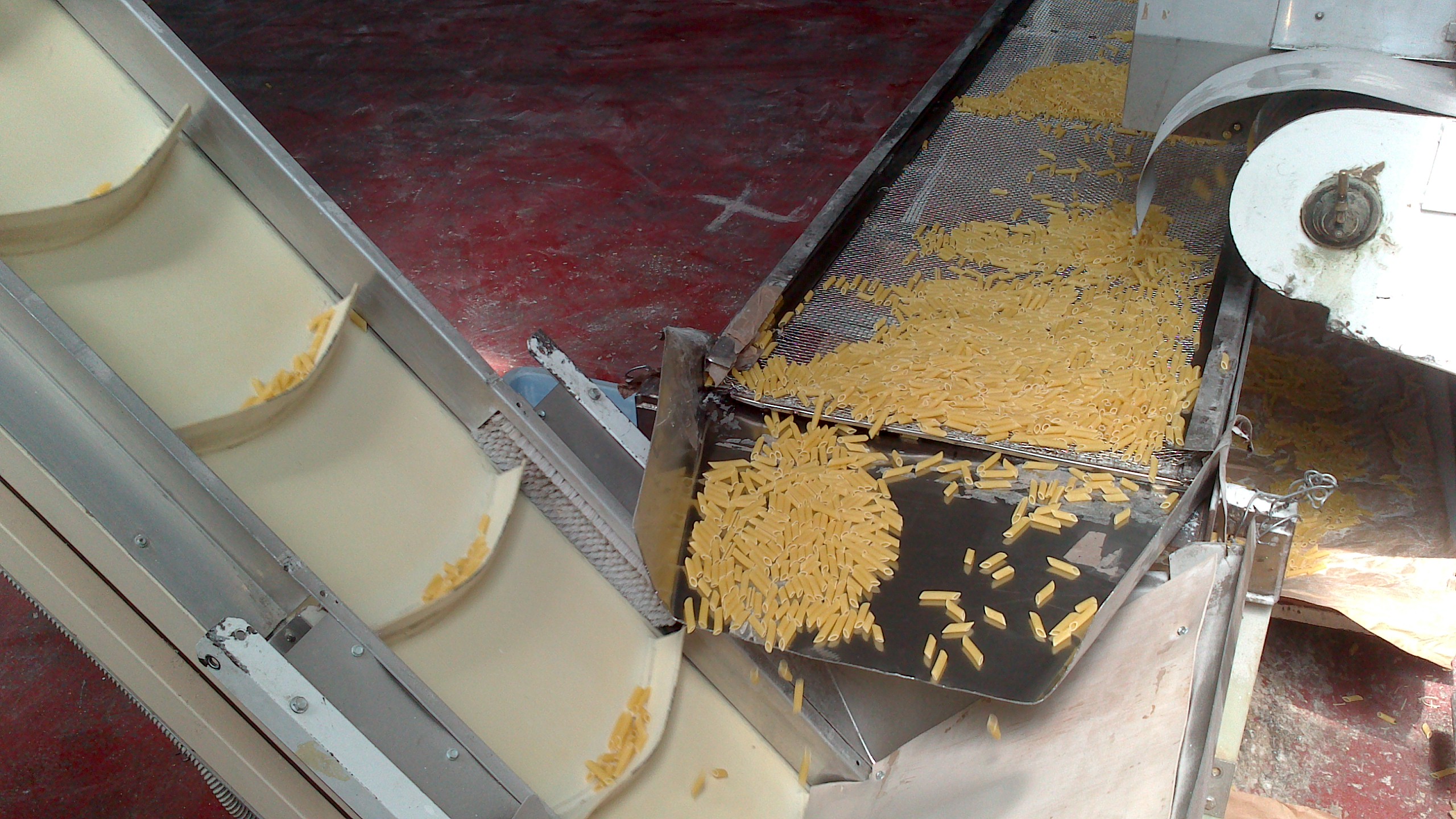
  • Belts for the meat industry, fish processing plants, animal feed factories, and fruit & vegetable processing
  • Pharmaceutical production belts
  • Tobacco industry belts
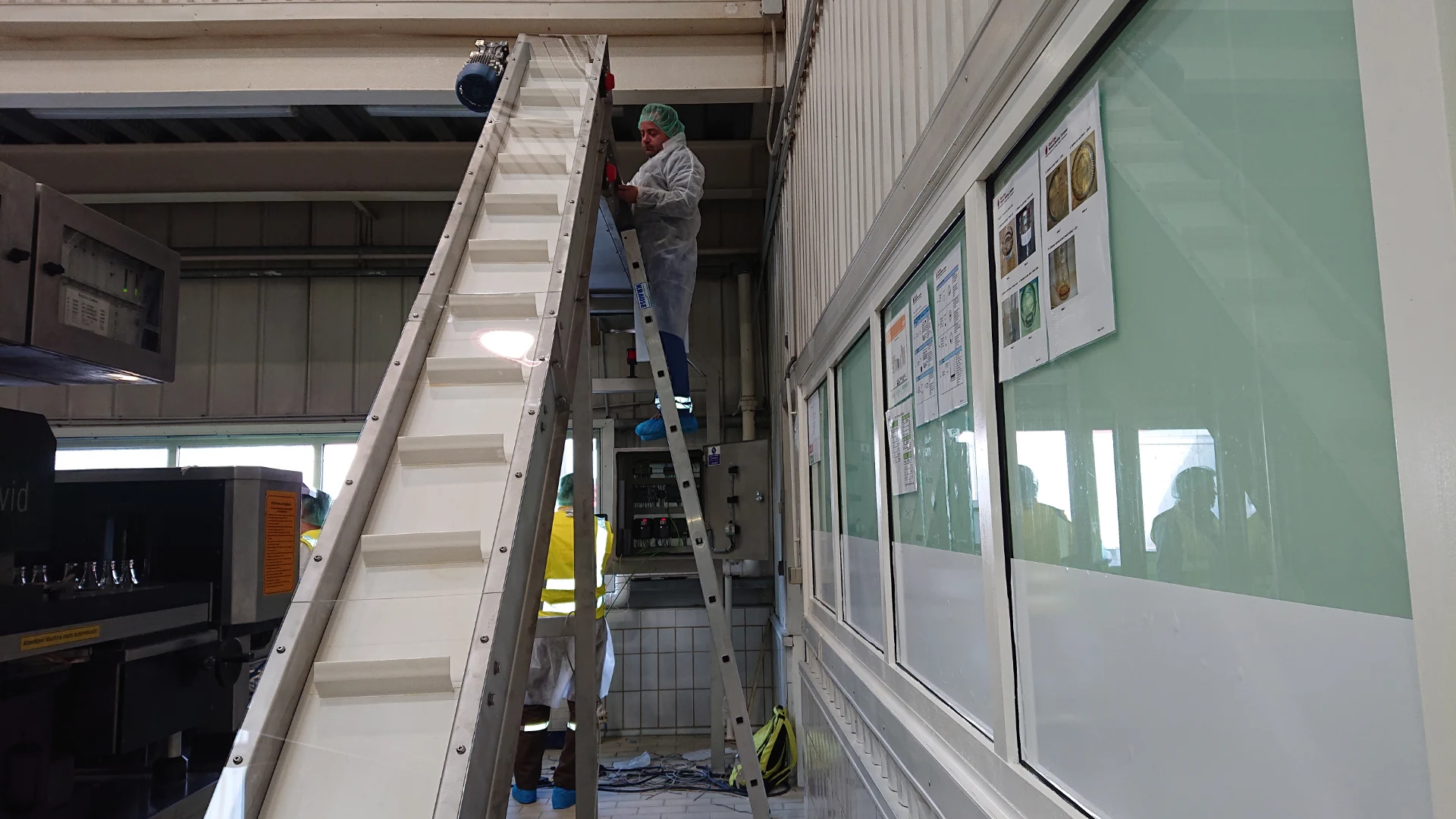
  • Beverage filling line belts

SPECIAL BELT CONSTRUCTIONS
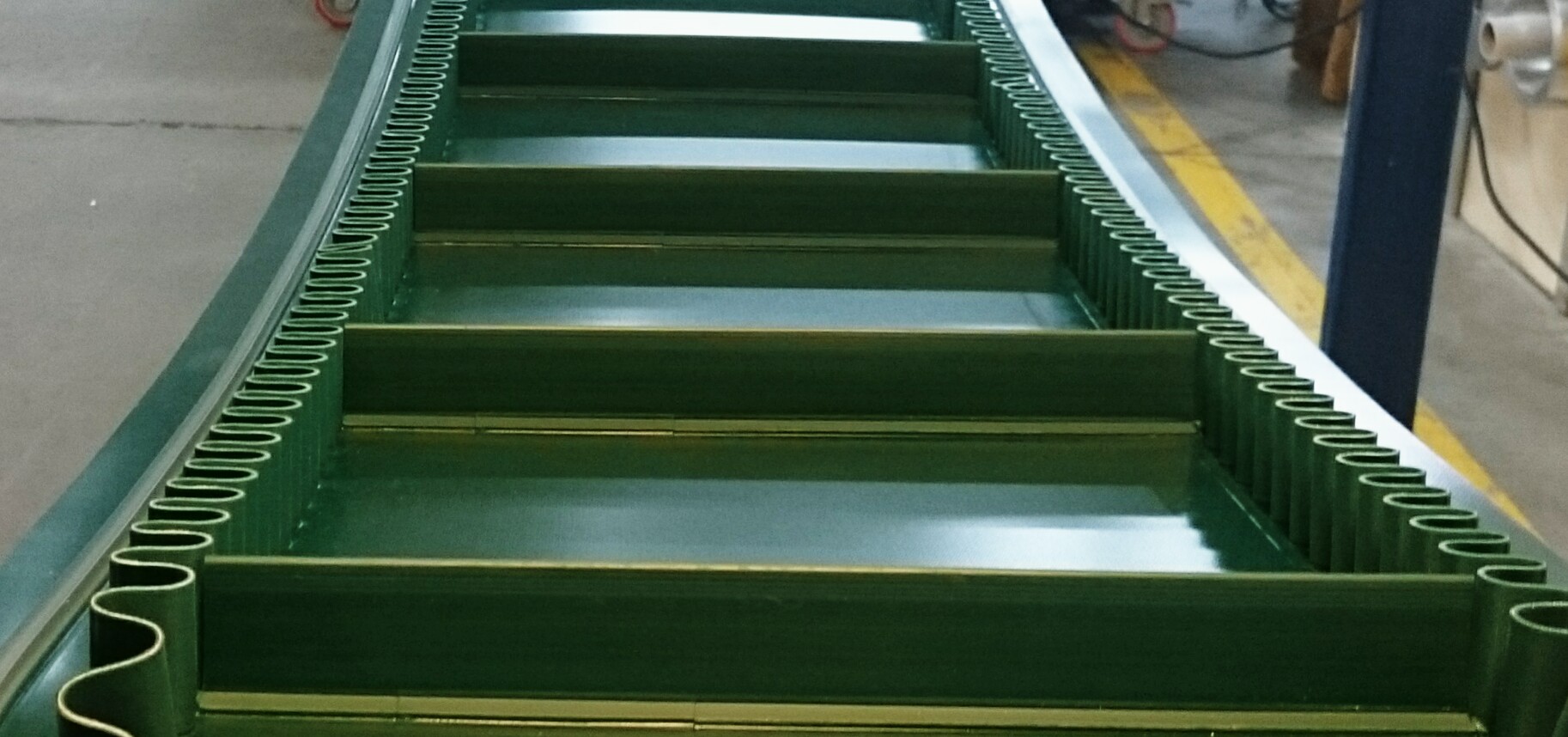
Belts with longitudinal, transverse, or corrugated Profiles (custom-made to order)

  • Modular belts and tabletop chains
  • Belts as friction linings
  • Reinforced traction belts with ply construction
  • PTFE belts
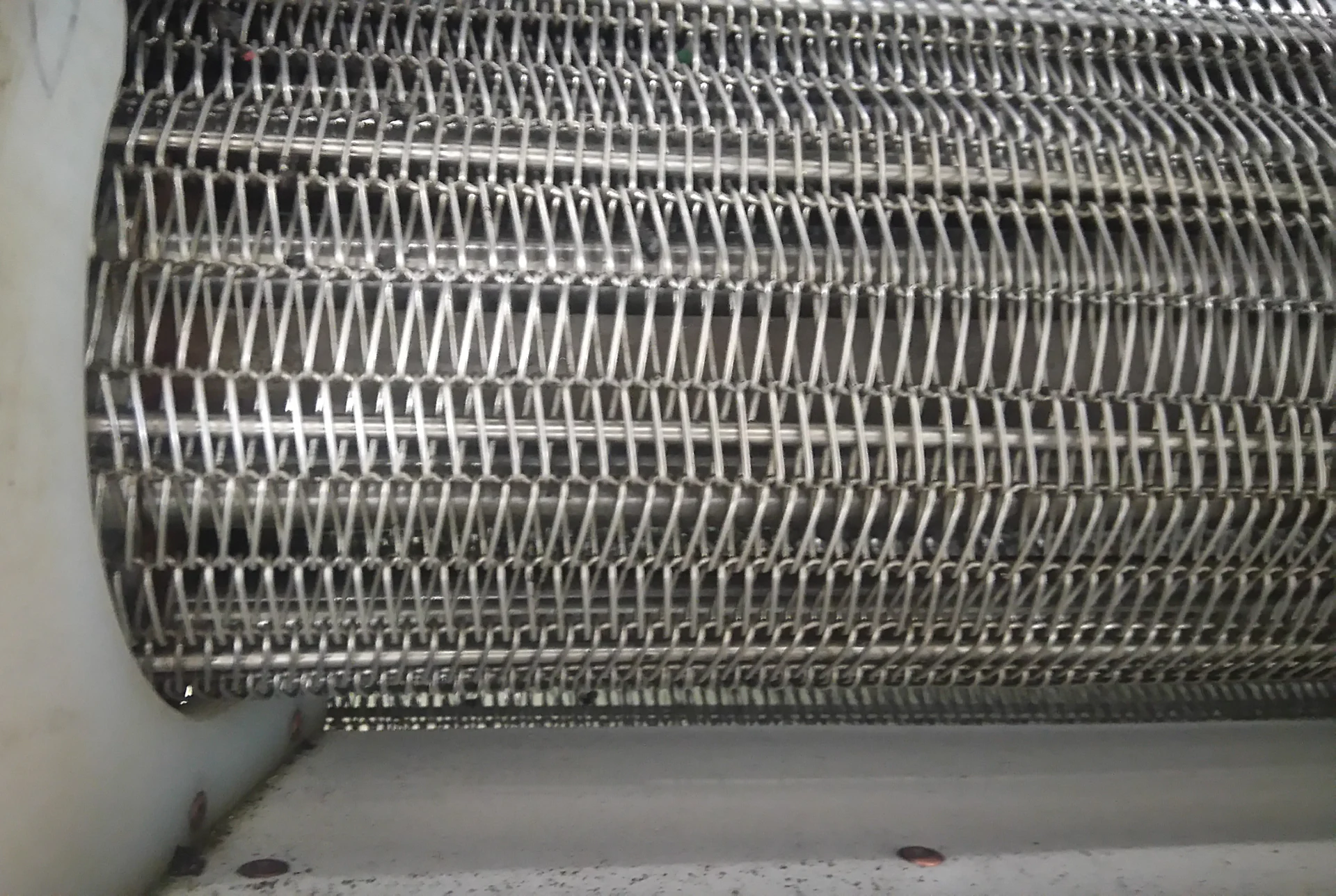
  • Filter belts
  • Other (e.g., caterpillar belts for cable drawing, profile extraction belts, …)

MORE DETAILS

For applications across various industrial sectors, belts with structured surfaces can also be used to enhance efficiency in production processes.

Download Icon     BELTS WITH STRUCTURES

Splicing of conveyor belts

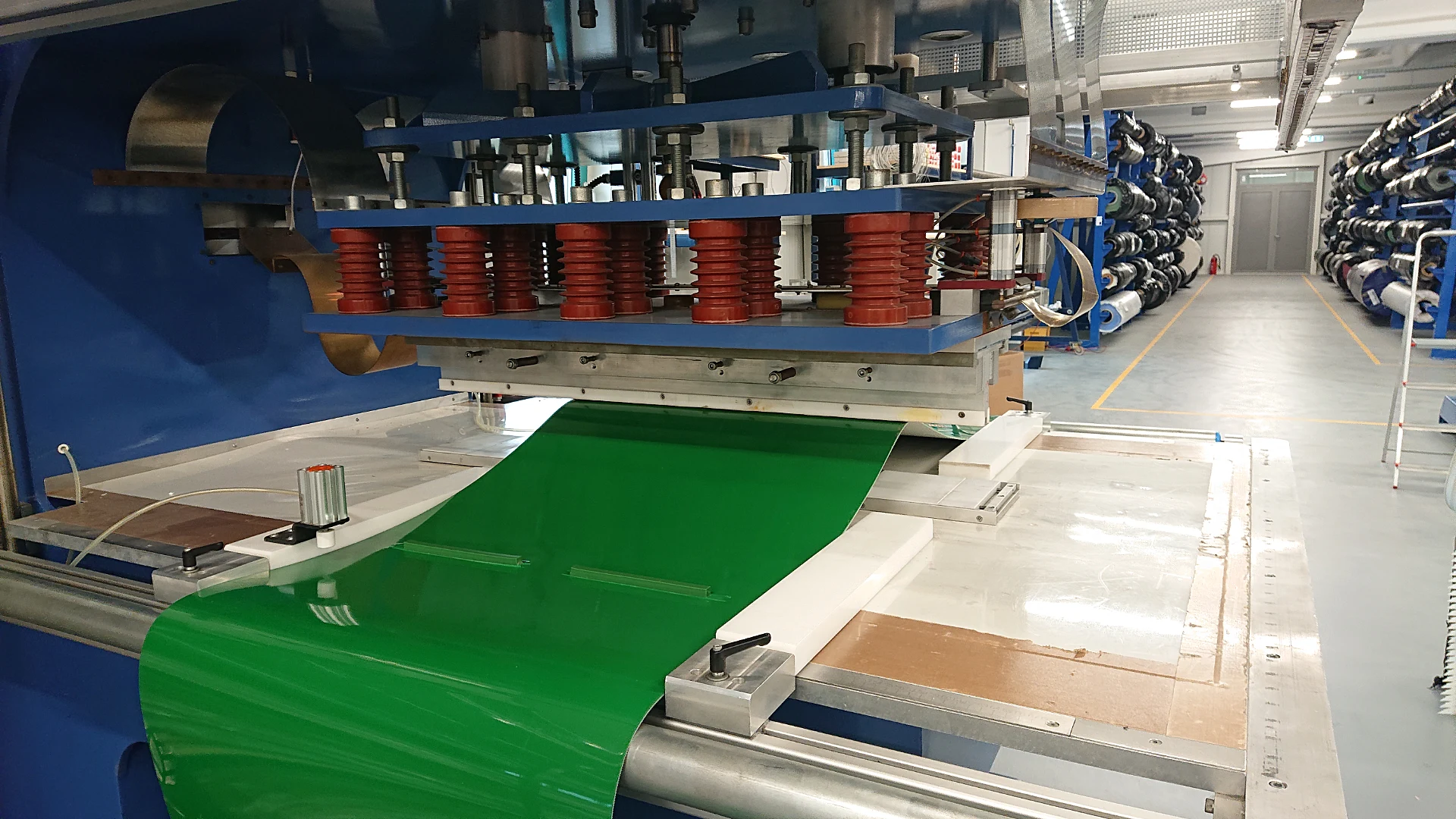
HOT SPLICING OF CONVEYOR BELTS
FINGER SPLICE

  • Primarily used for thermoplastic belts with 1 ply.
  • Advantages:
    • Excellent flexibility and high strength.
    • Eliminates the need for mechanical fasteners.
    • Reduced operational noise.
    • Eliminates product accumulation points.
    • Enables easy cleaning and meets hygiene standards.

FOLD-BACK FINGER SPLICE

  • Used when a traditional finger splice is too sensitive to damage.
  • Key Characteristics:
    • A double layer of fingers increases strength.
    • Prevents finger puncture due to belt misalignment.
    • Extremely reliable in harsh operating conditions.
    • The optimal solution for long-term use.

STEP SPLICE

  • Offers the highest strength among hot splices.
  • Applications:
    • Extremely demanding working conditions.
    • Troughing systems (idlers).
    • Food industry.
    • Long belts for bulk materials (sugar, salt, powders).

MECHANICAL SPLICING OF CONVEYOR BELTS
PROPERTIES OF MECHANICAL SPLICING

  • A detachable joint – suitable for frequent maintenance.
  • Applications:
    • Belts requiring frequent cleaning.
    • Conveyors that are frequently relocated.
    • Rapid belt installation/replacement.
  • Versatility: Can be installed on various belt materials.

TYPES OF MECHANICAL FASTENERS

  1. Hinge Pin / Plate Fasteners
  2. Solid Plate Fasteners
  3. Bolt-Hole / Staple Fasteners

FACTORS FOR FASTENER SELECTION

  • Machine construction (pulley diameter).
  • Operating conditions.
  • Type of product being transported.
  • Conveyor belt thickness.

INSTALLATION PROCESS

  • Uses tools ranging from simple (hammer, wrench) to pneumatic tools.
  • Note: A mechanical splice has lower strength compared to a hot splice.

SPAJANJE TRAKA

Tolerances for measurements are generally taken as ±1% of the belt length.

Download Icon     Tolerances for measurements